14 minutes.
That's the average rural EMS response time.
The Oh Sh!t Kit buys the time that matters.

That's the average rural EMS response time.
The Oh Sh!t Kit buys the time that matters.
🛡️ Free mWrap roll ($24.99) with every Oh Sh!t Kit

EMS arrives in 14 minutes — on a good day. These are the moments the kit was built for.
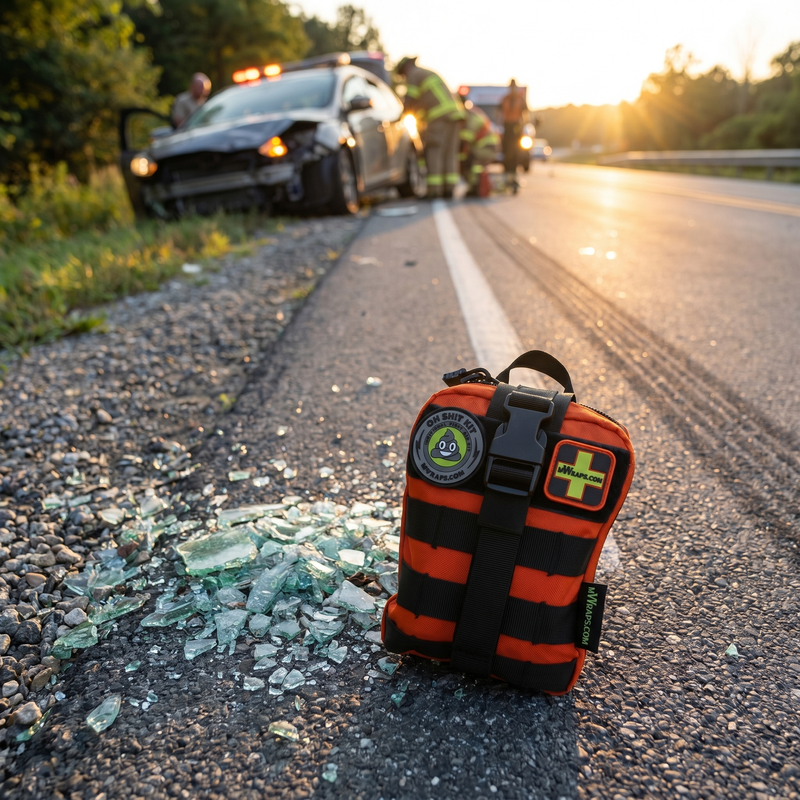
Witness a wreck on a county road. EMS is 20 minutes out. A tourniquet in your truck is the difference between stable and not.
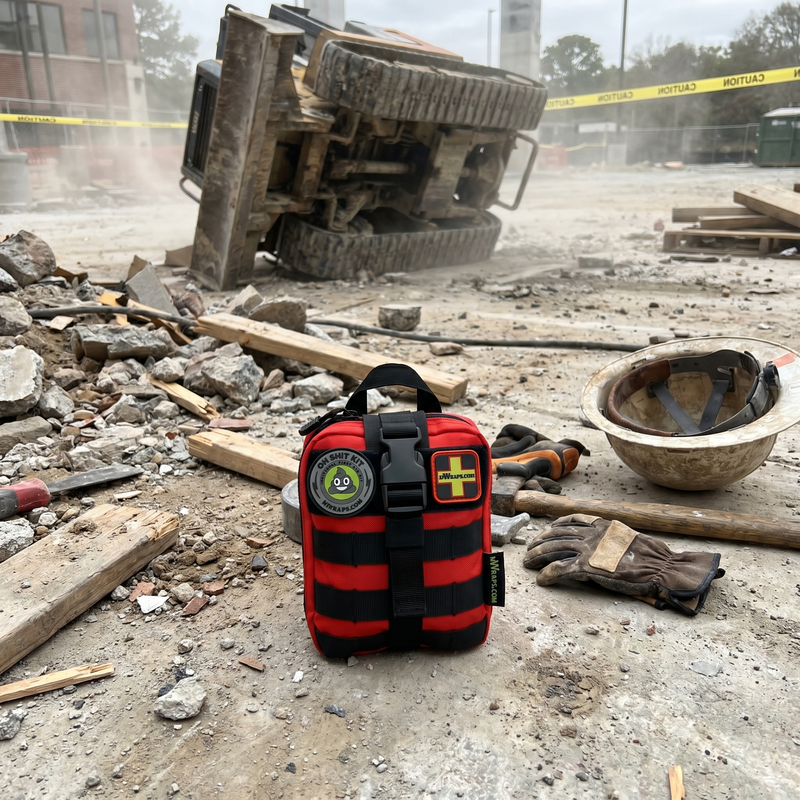
Nail gun, table saw, falling debris. You're the closest person to it. The kit lives in your work truck for this exact moment.
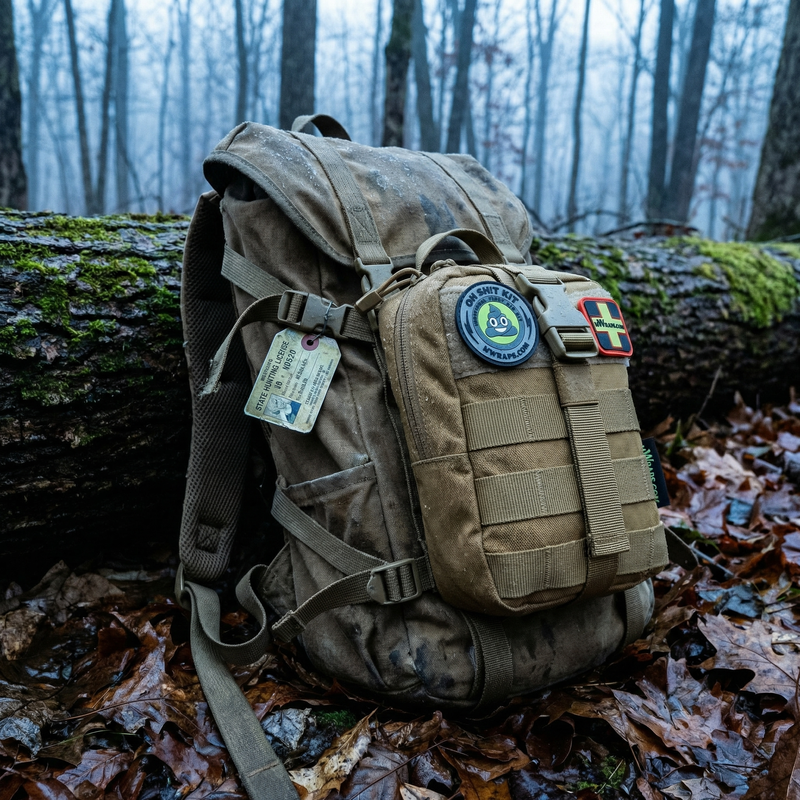
Hunting, hiking, overlanding. No bars, no help on the way. The kit + a CAT tourniquet is the bridge to the trailhead.
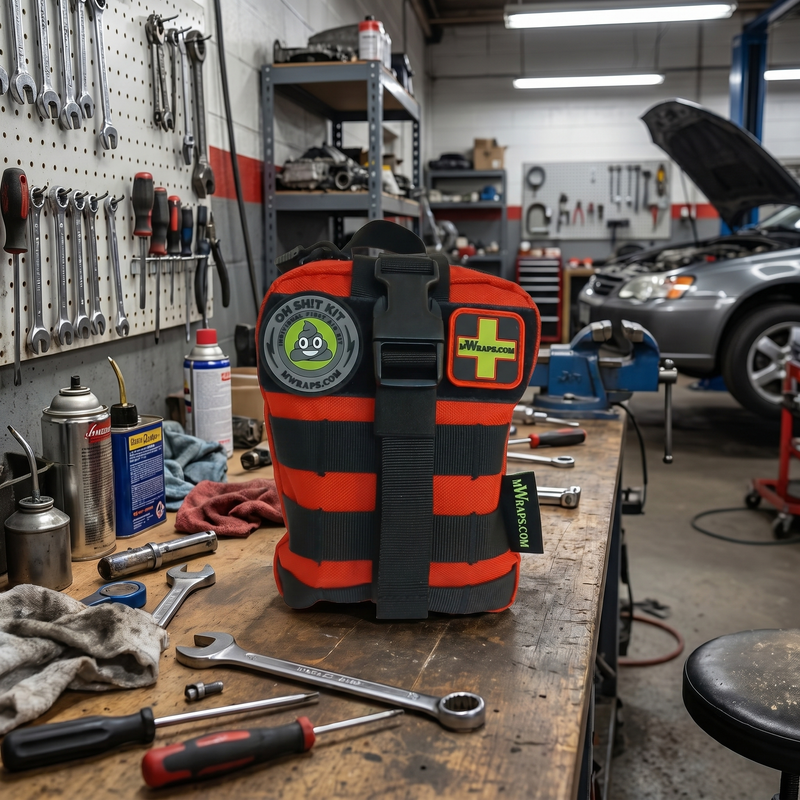
Most serious bleeds happen at home. Hot oil. Chef's knife. Lawnmower blade. The kit by the door is the difference.
Every component is the version used in ambulances, ERs, and military medic bags. Same gear, less branding markup.
The same Combat Application Tourniquet issued to US military medics. Tested in combat, proven in the field — the gold standard for arterial bleed control.
Stops severe bleeding 5× faster than standard gauze. Used by ER trauma teams. Packs directly into deep wounds where pressure alone won't hold.
HALO-style chest seals for sucking chest wounds. Vented + non-vented because the right one depends on the injury — both come standard.
Nasopharyngeal airway with lubricant — keeps an unconscious patient's airway open until EMS arrives. The piece most cheap kits skip.
Heavy-duty shears that cut through denim, boot leather, and seatbelts. The first tool you reach for in a real emergency.
Burn gel, sterile dressings, antiseptic wipes, alcohol preps. The everyday stuff — just the version that actually works in the field.
|
Drugstore kit
~$25
|
Amazon trauma kit
$40–80
|
MyMedic Pro
$299
|
Oh Sh!t Kit
$129.99
|
|
|---|---|---|---|---|
| CAT Tourniquet (TCCC) | ✗ | ✗ | ✓ | ✓ |
| Hemostatic gauze | ✗ | some | ✓ | ✓ |
| Chest seals (vented + non-vented) | ✗ | ✗ | ✓ | ✓ |
| NPA airway | ✗ | ✗ | ✓ | ✓ |
| Trauma shears | ✗ | some | ✓ | ✓ |
| Burn dressings | small | small | ✓ | ✓ |
| ANSI Class B Type III | ✗ | ✗ | ✓ | ✓ |
| Total components | ~20 | ~40 | 75+ | 80 |
| Free bandage included | ✗ | ✗ | ✗ | ✓ |
Same TCCC-recommended tourniquet. Same hemostatic gauze. Same chest seals. Same NPA airway. Without the branded markup.
Most components are intuitive — tourniquet straps print their instructions, chest seals stick, gauze packs into wounds. But knowing the gear before you need it is the difference between using it well and freezing. Stop the Bleed is taught at fire stations and hospitals nationwide. Free.
A 80-component trauma response kit built for the gap between "something just went wrong" and "EMS is here." CAT tourniquet, chest seals, hemostatic gauze, NPA airway, burn dressings, and the antiseptics and bandages you'd actually need under pressure. ANSI Class B Type III rated. Designed for fast hands, not display shelves.
No — but you should get some. Most components are intuitive: chest seals stick, gauze packs into wounds, the tourniquet has printed instructions on the strap itself. We strongly recommend a free Stop the Bleed course (90 minutes, taught at fire stations and hospitals nationwide). Knowing the gear before you need it is the difference between using it well and freezing.
The kit itself lasts forever. Consumables vary:
We mark the earliest expiry on the outside of every kit so you know when to refresh.
Yes. Every component is the same gear used by EMS, military, and ER trauma teams. CAT tourniquet (TCCC-recommended), HALO-style chest seals (vented + non-vented per Stop the Bleed protocol), QuikClot-style hemostatic gauze, NPA airway. ANSI Class B Type III rated. This isn't a glorified Band-Aid box.
Yes — in all 50 states. CAT tourniquets are explicitly legal as personal first aid equipment. They're issued to EMTs, police, and military across the country. You're not buying a weapon — you're buying first aid.
Same medical-grade components. Same trauma protocols. Lower price. We've stripped out the branded markup and the things you don't need in the field. What's left is what an EMT would actually grab when seconds count.
EMTs and paramedics off-duty. Off-roaders, hunters, and overlanders. Tradespeople running solo. Parents who drive long distances. First responders who want a backup in their personal vehicle. Anyone who's ever been more than 10 minutes from a hospital and thought, "what if?"


